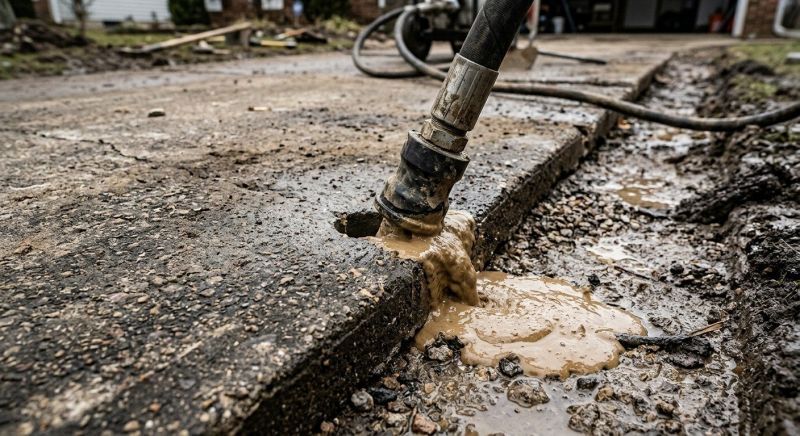
Sunken Driveway Lifting in Des Moines, IA
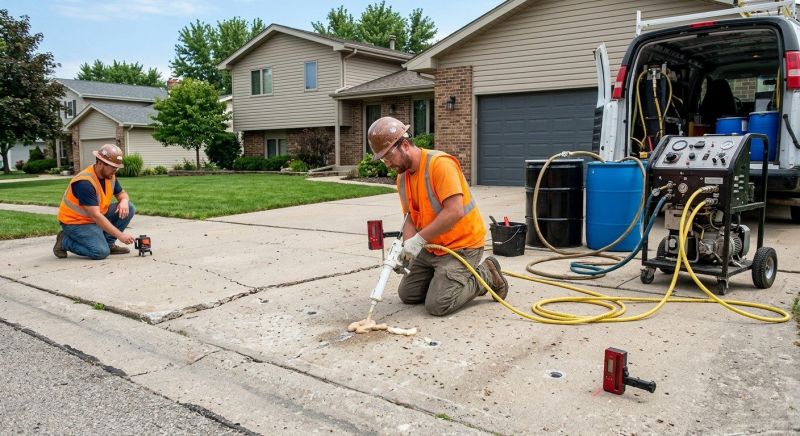
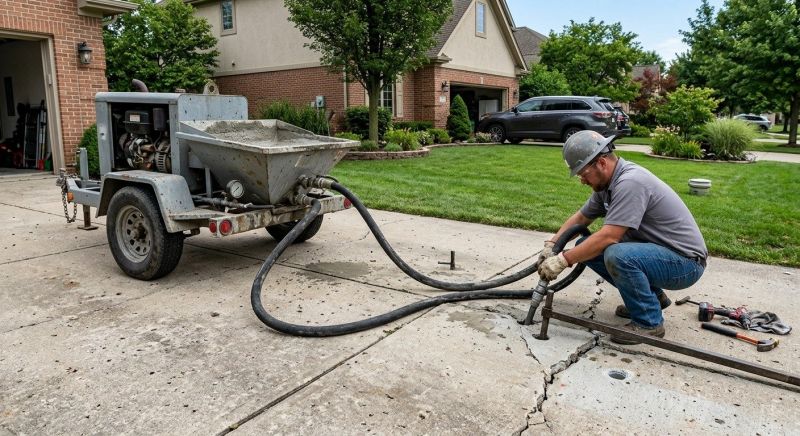
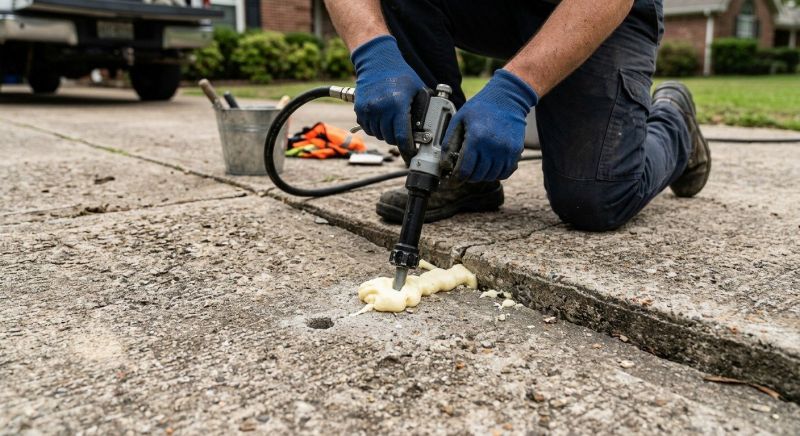
Sunken driveway lifting services are designed to restore level and even surfaces to driveways that have become uneven or sunken over time. This process typically involves assessing the underlying causes of the sinking, such as soil erosion or improper compaction, and then lifting and stabilizing the concrete or asphalt to prevent further settling. Projects often include residential driveways that have developed cracks or dips, especially in areas with shifting soil or heavy traffic, helping to improve safety and curb appeal.
Homeowners considering driveway lifting usually want to understand the extent of the sinking, the best methods for stabilization, and how the process will affect their property in the short and long term. It’s important to evaluate the current condition of the driveway, including any cracks or damage, and to consider the underlying soil conditions. Proper assessment ensures that the lifting process provides a durable solution that maintains a level surface and minimizes future settling issues.
Many property owners in Des Moines, IA look into Sunken Driveway Lifting for repairs, replacements, upgrades, and appearance-related improvements.
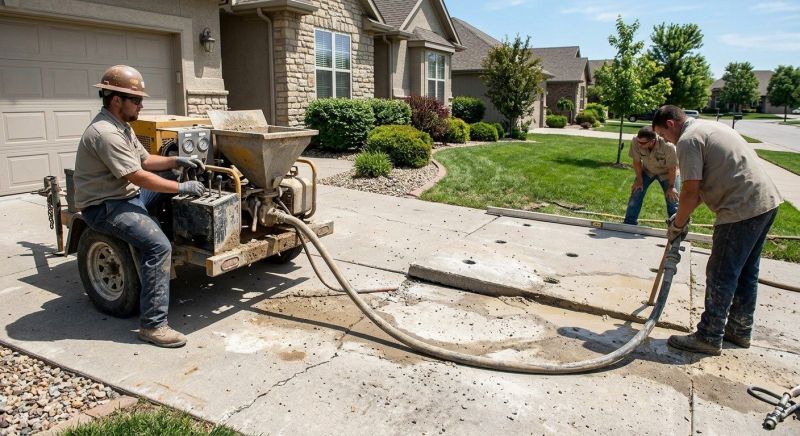
Benefits Of Driveway Lifting
Restores a smooth, level surface that improves safety and curb appeal.
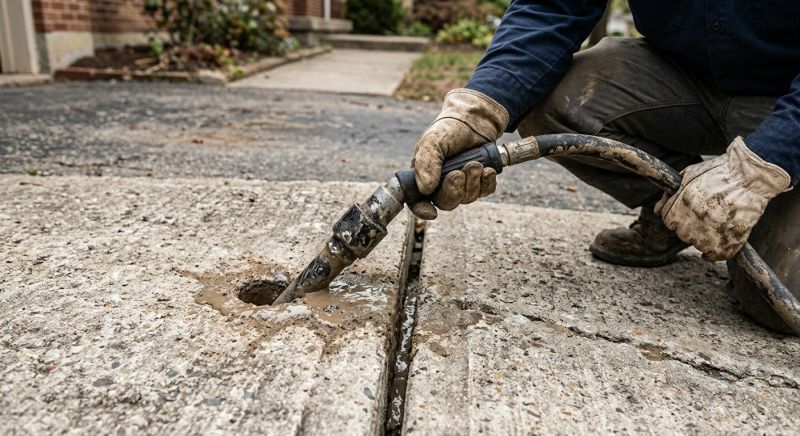
Common Causes Of Sunken Driveways
Soil erosion, poor drainage, and freeze-thaw cycles can lead to uneven pavement.
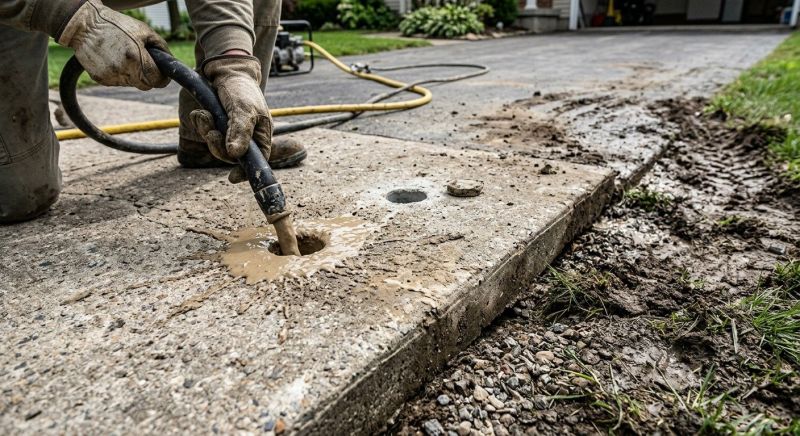
Signs You Need Driveway Repair
Noticeable cracking, pooling water, or trip hazards indicate the need for lifting services.
Sunken Driveway Lifting in Des Moines, IA

Sunken driveway lifting services are designed to restore level and even surfaces to driveways that have become uneven or sunken over time. This process typically involves assessing the underlying causes of the sinking, such as soil erosion or improper compaction, and then lifting and stabilizing the concrete or asphalt to prevent further settling. Projects often include residential driveways that have developed cracks or dips, especially in areas with shifting soil or heavy traffic, helping to improve safety and curb appeal.
Homeowners considering driveway lifting usually want to understand the extent of the sinking, the best methods for stabilization, and how the process will affect their property in the short and long term. It’s important to evaluate the current condition of the driveway, including any cracks or damage, and to consider the underlying soil conditions. Proper assessment ensures that the lifting process provides a durable solution that maintains a level surface and minimizes future settling issues.
Many property owners in Des Moines, IA look into Sunken Driveway Lifting for repairs, replacements, upgrades, and appearance-related improvements.
Common Sunken Driveway Lifting Jobs
Sunken Driveway Repair - restoring a level surface to improve safety and curb appeal.
Driveway Lifting - raising sunken areas to prevent further settling and damage.
Asphalt Driveway Restoration - addressing uneven spots to ensure smooth, functional surfaces.
Concrete Driveway Leveling - correcting dips and cracks for a safer parking area.
Subsurface Stabilization - providing support beneath the driveway to prevent future sinking.
Driveway Releveling - restoring proper drainage and preventing water pooling issues.
Sunken Driveway Lifting Questions
What causes driveway sinking? Driveway sinking can result from soil settling, erosion, or changes in moisture levels beneath the surface.
How can I tell if my driveway needs lifting? Signs include cracks, uneven surfaces, or noticeable dips that affect driveway stability and appearance.
Is driveway lifting safe for my property? Yes, proper lifting methods help restore driveway levelness and prevent further damage.
What types of driveways are suitable for lifting? Most concrete and asphalt driveways can be lifted and leveled to improve safety and appearance.
Request Sunken Driveway Lifting in Des Moines, IA
Use the quote form on this page to share the basics of your project and request more information for the type of work you need.